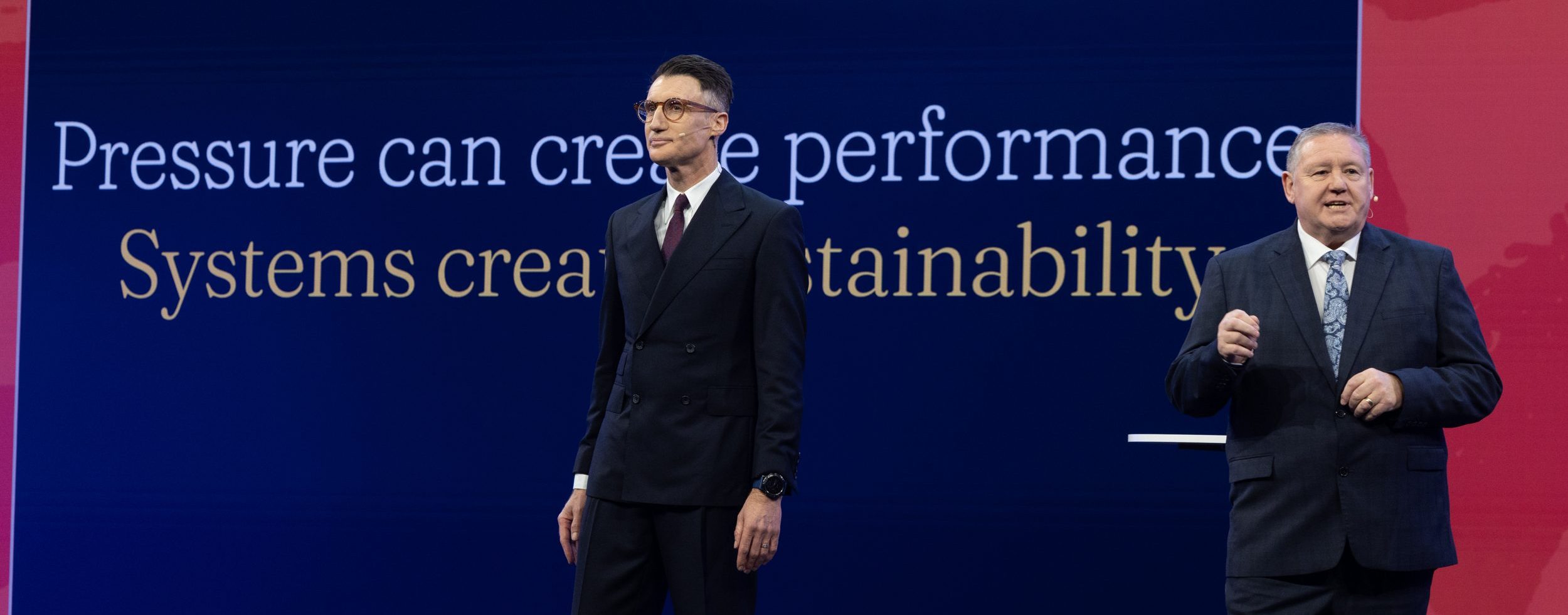

Advisers struggling to find enough hours in the day might benefit from asking a simple question about every task they perform: Should I do it, delegate it or dump it?

That was the message from Kiwi risk specialist adviser, Brian Burgess, (SwainWoodham Group) who shared with delegates at the 2026 MDRT Global Conference in Sydney last week how he transformed the way he works by becoming more disciplined about where he spends his time.
In a joint presentation with his business partner, Corey Williamson, Burgess said the pressure he had been experiencing in his advice business wasn’t simply the product of wanting to grow. It was because he was “…spending far too much time in the wrong part of the business.”
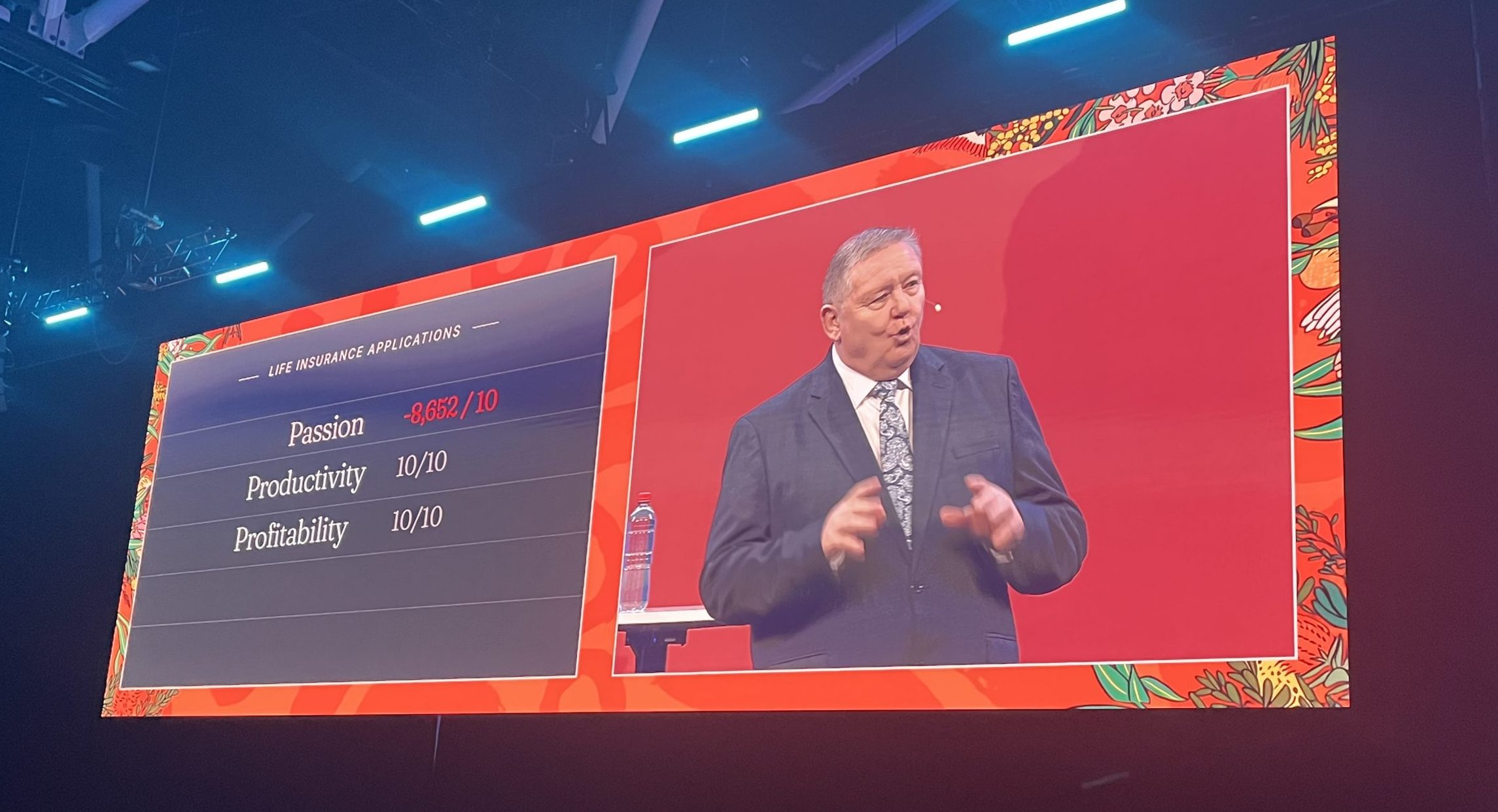
His solution was to develop a filter for assessing the multitude of tasks competing for his attention, measuring each against three criteria:
- Passion
- Productivity
- Profitability
According to Burgess, tasks scoring highly across those three measures probably required his personal attention. Those sitting somewhere in the middle could potentially be supported or delegated, while those scoring poorly prompted a more confronting question: “Why am I still carrying this?”
Advisers run out of capacity
Most advisers don’t run out of ambition. They run out of capacity…
Burgess told his peers the issue for many advisers was not a lack of ambition: “Most advisers don’t run out of ambition. They run out of capacity,” he said, adding:
“They keep adding more. Doing more. Carrying more. But they don’t always stop and ask, should this be mine to carry?”
This led Burgess to the second part of his framework – the three Ds:
- Do it
- Delegate it
- Dump it
Burgess’s own experience with life insurance applications offered a particularly relevant example.
After many years as a risk specialist adviser, Burgess told delegates he had reached the point where he simply no longer wanted to complete applications with clients.
He rated his passion for completing applications at a tongue-in-cheek “minus 8,652”, despite acknowledging the task rated highly for both productivity and profitability.
The answer was to delegate it.
More time for clients
Burgess said the change ultimately extended beyond himself, with Williamson and then other advisers in the business also ceasing to personally complete life insurance applications.
Instead, team members were trained to undertake the process and became better at it than the advisers themselves.
“The clients had a better experience. The advisers had more capacity. And we freed up time to focus on the things that we love doing – and the things that brought the best results,”
For Burgess, one of those things is seeing clients.
“It’s a passion for me. It’s productive. It’s profitable. And so I do it. And do lots of it.”
The lesson, he stressed, isn’t to delegate everything. Rather, it is to protect the work where the adviser brings the most value.
“Delegation is not laziness. It’s not avoidance. It’s structure,” he said.
“It means directing an adviser’s best energy towards the work they do best – and building a team and systems around the rest.”
As Burgess put it: “Not everything deserves direct access to your time.”