

Advisers across the Tasman have been cautioned that the life and health insurance industry in Australia is facing structural change driven by mounting mental health claims, rising premiums, and ongoing cost-of-living pressures.
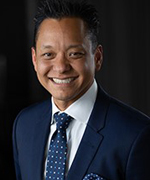
AIA Australia CEO Damien Mu, speaking during the company’s online Thrive for Life presentation, said economic volatility, regulatory churn, and affordability challenges were making current life insurance models unsustainable.
“Most households could afford only two mortgage repayments if they lost their income,” he said. “At the same time, premiums, schooling costs, and everyday expenses keep rising – it’s a serious issue for customers and advisers alike.”
Mu said claims patterns have also shifted in the past decade, with mental health claims in Australia doubling since 2014.
…Mental health claims are really having a negative impact across the industry…
“Around 70 percent of our claims this year have come from white-collar workers,” he said. “Covid, hybrid work, and digital disruption have left many people struggling to adapt.
“Mental health claims are really having a negative impact across the industry, and but more importantly, the cost of productivity and the impact on people’s lives. Mental health doesn’t discriminate by age.”
To restore affordability and ensure product longevity, he said AIA Australia is focusing on sustainable pricing and severity-based product design rather than comprehensive, high-cost TPD cover.
Mu said the insurer’s long-running TPD Assist model, which supports clients’ gradual return to work, had delivered strong outcomes and would inform future product refinements.
He also urged advisers to reassess product selection through a long-term affordability lens.
“Comprehensive cover might look attractive upfront, but sustainability matters more to clients who need to maintain protection over time,” he said.
Mu also said industry, regulators, and advisers would need to move together to modernise best-interest duties and support the transition to more sustainable life insurance structures.