

The Insurance & Financial Services Ombudsman Scheme is reminding insurers to prioritise support for people in vulnerable circumstances.

The scheme says that in insurance, vulnerability means someone may be more at risk of harm or disadvantage because of their personal situation or how the system works.
This could include financial hardship, disability, language barriers, family or domestic violence, age, illness, grief, addiction, or the effects of natural disasters.
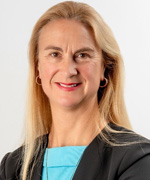
Karen Stevens, Insurance & Financial Services Ombudsman, says vulnerability isn’t a label, it’s a situation that can affect anyone.
“Insurers need to recognise when someone is struggling and respond with empathy, flexibility, and fairness.”
Stevens says many insurers are already doing this well. After the 2023 floods, insurers proactively identified affected customers, offered flexible claims processes, and provided extra support to those facing hardship.
“But it’s important that insurers keep this focus,” she says. “The cost-of-living crisis isn’t going away, and more people are experiencing financial hardship.”
The IFSO Scheme has seen a record 600 disputes accepted for investigation this year, a 25% increase from last year. While many complaints are resolved quickly, more are staying unresolved even after going through insurers’ internal processes (see: Insurance Disputes Hit Another Record High).
The IFSO says one recent case involved a woman who was unwell, suffering from low iron levels that affected her ability to function. She relied on her insurer’s website to check whether a treatment would be covered and went ahead based on that information.
Her claim was later declined because the drug wasn’t a subsidised prescription medicine, a detail only found in the full policy wording.
…Insurers need to make sure those summaries clearly highlight exclusions and conditions…
Stevens says many people rely on summaries, not lengthy policy documents, to make decisions. “Insurers need to make sure those summaries clearly highlight exclusions and conditions, especially as customers experiencing vulnerable circumstances may not be able to easily understand what’s covered.”
In this case, in determining what was fair and reasonable, the IFSO Scheme noted the woman’s vulnerable circumstances and said that the claim should be paid, which the insurer agreed to.
“Flexibility and patience go a long way,” says Stevens. “Sometimes the best thing insurers can do is simply ask, ‘What do you need?’ That question opens the door to better outcomes.”
Insurers are encouraged to:
- Use plain language and offer multiple ways to communicate
- Allow extra time for decision-making
- Document conversations clearly and follow up in writing
- Provide access to specialist support when needed (e.g. interpreters, mental health services)
- Train staff to recognise signs of distress or difficulty and escalate concerns appropriately
“People in vulnerable circumstances deserve to be treated with dignity and respect,” says Stevens. “We expect insurers to be proactive, not reactive, in making sure their services are accessible and fair.”