

The RBNZ says its stress tests of the country’s largest life insurers show they are “well placed” to withstand severe economic and insurance shocks, but there are plans to repeat the exercise next year.
the RBNZ says its stress tests of the country’s largest life insurers show they are “well placed” to withstand severe economic shocks…
Stress tests assess company’s financial resilience by demonstrating whether they have enough capital to withstand extreme – but plausible – shocks. They also indicate potential impacts on the broader financial system.
RBNZ Deputy Governor Christian Hawkesby says the stress test on life companies “…identified areas of good practice from some insurers that could be considered by others”.
The RBNZ’s findings show that while the country’s top five life insurers could withstand an economic shock, some recorded losses on their long-term bond portfolios.
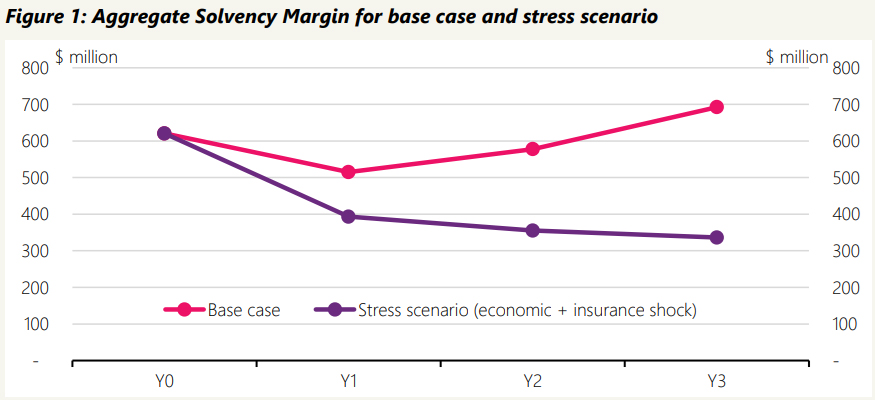
However, while all firms taking part in the test remained solvent, the combined effects of the scenario caused the solvency margin of some insurers to fall outside their own risk appetite. This triggered mitigating actions such as cost reductions, premium increases, reductions to commissions, and changes to reinsurance arrangements.
Taking part in the test were:
- AIA
- Asteron Life
- Chubb Life (Cigna)
- Fidelity Life
- Partners Life
Combined, these firms have a market share of 75% of premiums.
Hawkesby says: “This is the first time we have run a stress test with the life insurance industry and the results were reassuring.
“Participating insurers were able to pay out substantial claims from policy holders and remain solvent during a hypothetical three-year scenario which included long Covid, a new pandemic, and a period of severe economic stress.”
See the RBNZ’s full report here.